
An Incredibly Easy Method That Works For All
10 Apr 2021
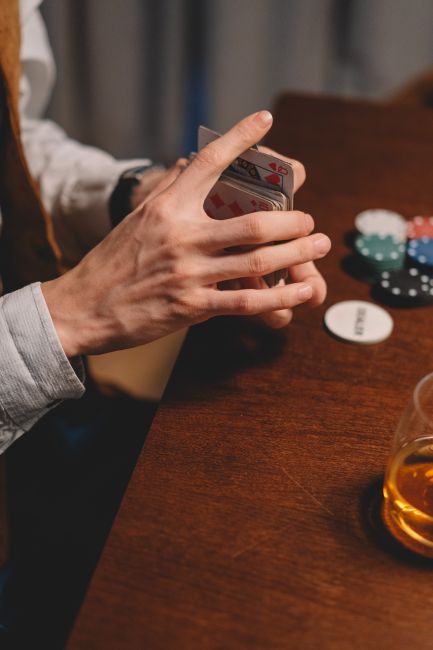
Every gambler remembers their first big win. Mine came on a Tuesday afternoon, three spins into a bonus round that ended up paying 340x my stake. I was convinced I'd cracked the code. Two weeks and a drained bankroll later, I understood the uncomfortable truth: the only thing I'd cracked was my own discipline. If you've spent any real time in iGaming, you've had a version of that experience. The question is whether you learn from it or keep feeding the machine.
This isn't a sermon about quitting. It's a practical breakdown of how casino games, sports betting, and poker actually work under the hood, and how experienced players use that knowledge to stay in the green far more often than beginners do.
New players often assume online casinos rig outcomes. In reality, they don't need to. The math does the work for them. Take European roulette: 37 pockets, one green zero, and a payout of 35-to-1 on a single number. That single zero creates a 2.7% house edge. American roulette adds a second zero, doubling the edge to 5.26%. Play 500 spins at $5 apiece—$2,500 wagered—and you'll lose around $68 on European wheels versus $131 on American ones. Same game, roughly half the bleed, purely from one extra pocket.
Slots work differently but the principle holds. A modern video slot with 96% RTP returns $96 for every $100 wagered over millions of spins. That 4% margin is the casino's cut. Where things get interesting is volatility. A slot like Bonanza has an RTP around 96% but demands enormous patience because its wins cluster in rare bonus rounds. A low-volatility game like Blood Suckers pays smaller amounts far more often. Neither is "better." They suit different bankrolls and temperaments.
Bookmakers don't beat you with tricky algorithms. They beat you with the vig, also called the margin or juice. A typical NFL spread is priced at -110 on both sides. To win $100, you stake $110. That means the book pays out $200 total on $220 of combined action and keeps roughly $20—about a 4.5% theoretical margin—regardless of who wins.
Sharps hunt for soft lines where the margin is thinner or the price is genuinely mispriced. If you consistently find -105 lines instead of -110, your break-even percentage drops from 52.38% to 51.22%. That one-point difference turns losing bettors into break-even ones over a season. This is why line shopping matters more than any "expert pick." Having accounts at four or five reputable sportsbooks isn't obsessive; it's basic professional hygiene.
Another trap for beginners: parlays. A three-leg parlay at -110 each pays roughly 6-to-1, which sounds tempting until you realize each leg compounds the book's edge. Your true win probability on three 50/50 legs is 12.5%, but the payout implies 14.3%. You're bleeding about 13% per parlay compared to betting them straight. Take a look at chơi rikvip for a fuller picture.
Here's the thing that separates poker from everything else in the casino: you're playing against other humans, and the house takes a fixed rake. That means skilled players genuinely can achieve a positive expected value, or EV, over time. No amount of skill makes you profitable at roulette. Poker is different.
But don't get romantic about it. Winning poker requires three distinct skill sets, and most players only develop one:
Study groups and solver software have flattened the field at the higher stakes. The edge pros hold these days is often 1-2 big blinds per 100 hands. Remember that next time you watch a streamer punt off six figures on a bluff—they're not typical.
You can be the best slot selector or the sharpest poker player on the planet and still go broke if you stake too much per hand or spin. Bankroll management isn't glamorous, but it's the single largest predictor of how long you survive.
Common, defensible frameworks:
Then set stop-losses before you start. If you lose 30% in a session, stop. If you win 50%, consider stopping too—winning produces the same dumb decision-making that losing does. The rush of a hot streak is louder than most people admit.
Welcome bonuses and free spins look like free money. Read the fine print. A typical 100% match up to $500 with 40x wagering on the bonus plus deposit means you must bet $20,000 to withdraw a single cent from the bonus portion. Individual game contributions vary wildly—slots often count 100%, blackjack 10% or less, live dealer sometimes 0%.
Useful checklist before claiming any bonus:
If those terms are murky, skip the bonus entirely and play with clean funds. A smaller deposit without strings attached is worth more than a big balance you can't touch.
Most people lose money gambling because they walk in treating it as a guaranteed income stream rather than a paid form of entertainment with wild variance. The players who stick around for years share a quiet set of habits. They choose games with thin edges, they size bets small relative to their roll, they treat bonuses as products to be reviewed rather than gifts, and they never confuse a hot streak with skill.
None of this removes the house edge. Nothing does. What it does is slow the bleed, occasionally tilt the math in your favor (particularly at poker), and turn a chaotic night of clicking buttons into a deliberate, sustainable hobby. If you take one idea from all of this, make it this: the edge isn't in the game you pick. It's in the decisions you make before you ever push the button.

Nookjournal An honest, everyday look at the things that make life a little better — with advice you can actually use.

April 25, 2019 at 10:46 am
Take in the iconic skyline and visit the neighbourhood hangouts that you've only ever seen on TV. Take in the iconic skyline and visit the neighbourhood.


Want to be notified when we launch a new template or an udpate. Just sign up and we'll send you a notification by email.


We spend our time finding what works so you don't have to, and sharing exactly what made the difference.

Soldman Kell
April 25, 2019 at 10:46 am
Take in the iconic skyline and visit the neighbourhood hangouts that you've only ever seen on TV. Take in the iconic skyline and visit the neighbourhood.