
An Incredibly Easy Method That Works For All
10 Apr 2021
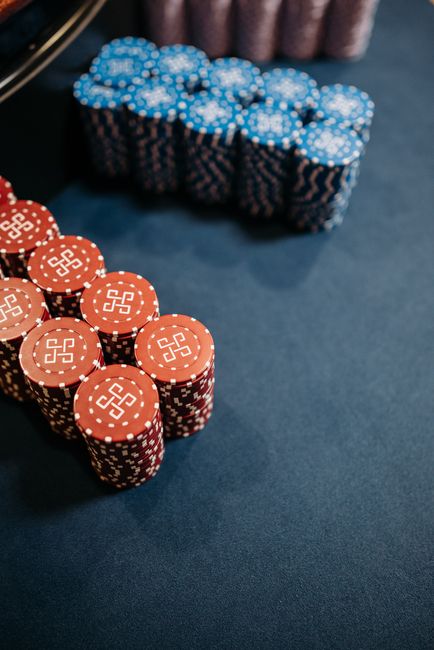
Most poker players lose. That's not cynicism — it's arithmetic. In a game with a rake, the majority of participants have to be net losers for the ecosystem to function. So what separates the roughly 5-10% who consistently profit from everyone else? The answer isn't a secret hand or a magic app. It's a collection of habits, mental frameworks, and small edges that compound over thousands of hands.
Let's dig into what actually moves the needle.
The single biggest leap an amateur can make is abandoning hand-reading in favor of range thinking. A recreational player looks at an opponent and wonders, "Do they have the flush?" A pro asks, "What's the full distribution of hands they'd play this way, and how does my hand perform against that entire range?"
This matters because poker is a game of incomplete information. You never know exactly what someone holds — you only know what's plausible given their position, stack size, and action sequence. Here's a simple example: you open from the button with A♠J♠ and the big blind calls. The flop comes K♦7♣2♥. Your opponent checks. We found king88a.bid to be a handy reference here.
Same cards. Completely different decision. Range thinking turns poker from guessing into probability management.
You can be the best technical player in the room and still go broke if you play above your roll. Variance is brutal in the short term — even a 5bb/100 winner can lose 20 buy-ins over a few thousand hands without doing anything wrong.
The standard guideline most winning players follow:
The pros who survive treat their bankroll like a business's operating capital. They move down when it dips and only move up when they've comfortably cleared the threshold. It's boring. It also works.
GTO (game theory optimal) play is important as a baseline, especially against strong opponents. But here's the thing most study-grinders miss: at low to mid stakes, almost nobody is playing GTO. They're playing too loose, calling too much, and bluffing too little — or the opposite. Your job isn't to play perfectly; it's to play better than the specific people at your table.
Concrete adjustments that pay off:
The pros read the table before they read the cards. A hand that's a clear fold against one villain is a profitable call against another, with identical hole cards.
After a few thousand hours, most serious players know the right play in most spots. The difference between winners and marginal losers at that stage is almost entirely psychological. Tilt — emotional decision-making after a bad beat, a downswing, or a personal issue — is the silent killer of bankrolls.
Common forms of tilt to watch for:
Winning players build systems around this. Some walk away for 20 minutes after a bad beat. Some set strict stop-loss limits — "if I'm down three buy-ins, I'm done for the day." Some use breathing techniques or think in terms of process goals rather than results.
The mindset shift is simple to state, hard to live: you're not playing to win this session; you're playing to make good decisions over a lifetime of hands. Results in any given night are close to noise.
Passive consumption of poker content doesn't make you better. Watching a Twitch streamer splash around in a $5,000 tournament isn't study — it's entertainment. Real improvement comes from active, deliberate work:
The pros typically spend at least as much time studying as they do playing during their formative years. That ratio shifts as they improve, but the habit never goes away.
Poker looks like a fast-paced gamble from the outside — chips flying, cards hitting, big swings every orbit. But the players who actually win treat it like a compounding skill. They think in ranges, protect their bankroll, exploit the specific humans in front of them, guard their mental state like a fortress, and study with the discipline of someone preparing for a profession, because that's exactly what it is.
If you take nothing else from this, take the mindset shift: stop chasing the result of the next hand and start building the habits that will produce results over the next 100,000. That's the real difference between the players who are still around in five years and the ones who tapped out after a bad month. The cards don't care. The habits do.

Nookjournal An honest, everyday look at the things that make life a little better — with advice you can actually use.

April 25, 2019 at 10:46 am
Take in the iconic skyline and visit the neighbourhood hangouts that you've only ever seen on TV. Take in the iconic skyline and visit the neighbourhood.


Want to be notified when we launch a new template or an udpate. Just sign up and we'll send you a notification by email.


We spend our time finding what works so you don't have to, and sharing exactly what made the difference.

Soldman Kell
April 25, 2019 at 10:46 am
Take in the iconic skyline and visit the neighbourhood hangouts that you've only ever seen on TV. Take in the iconic skyline and visit the neighbourhood.